Max Panel Size
61″ × 144″
or 72″ × 120″
or 72″ × 120″
Max panel area ≈ 61 sq. ft.
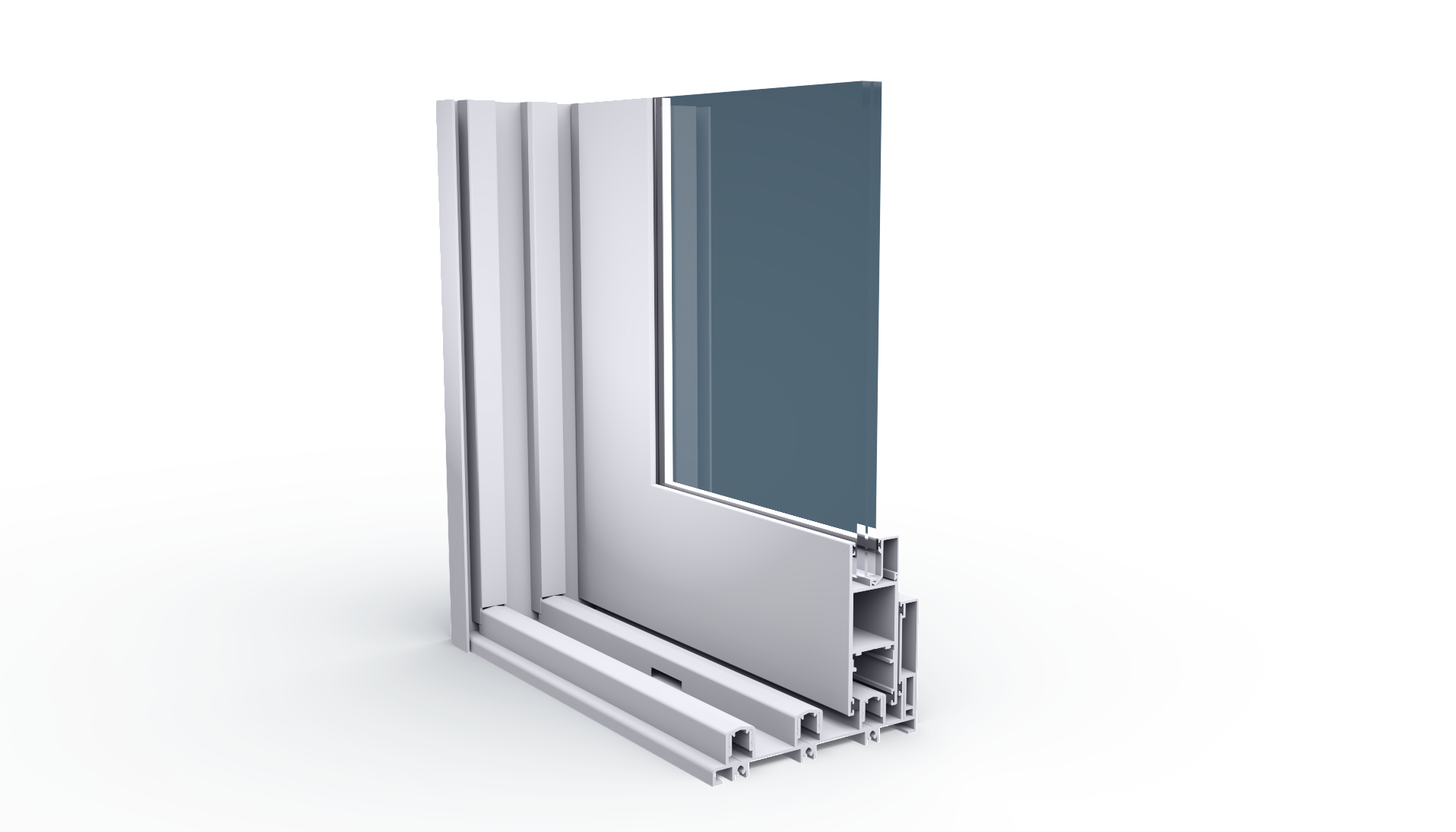
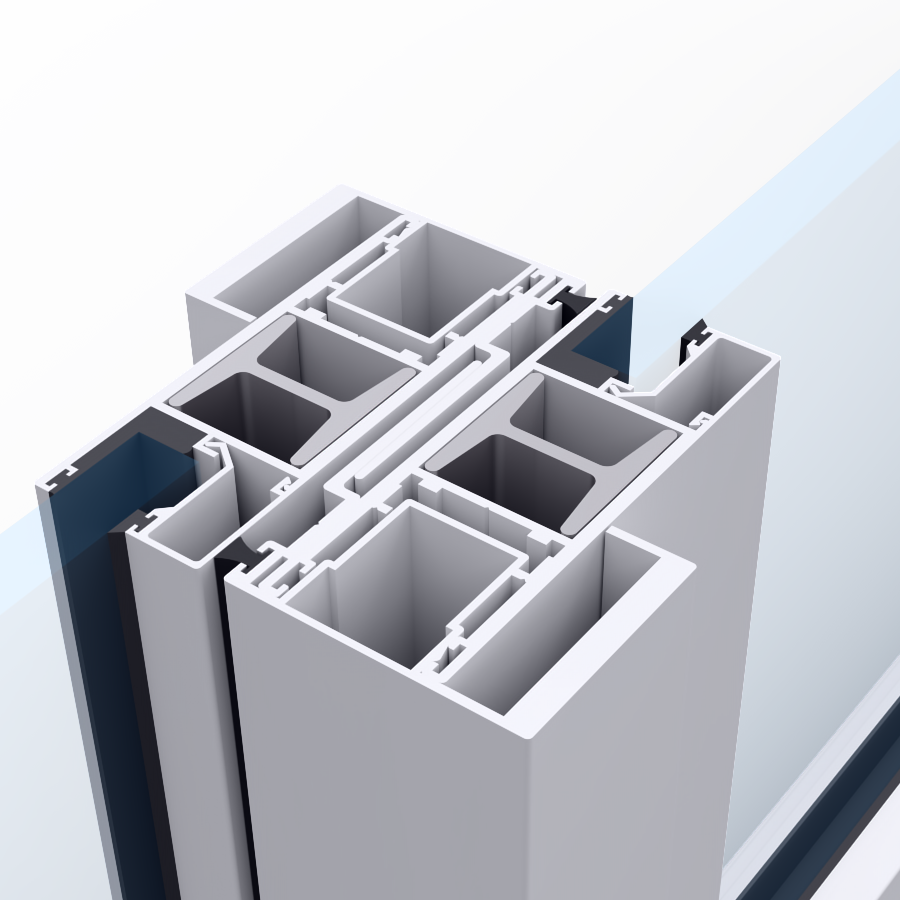
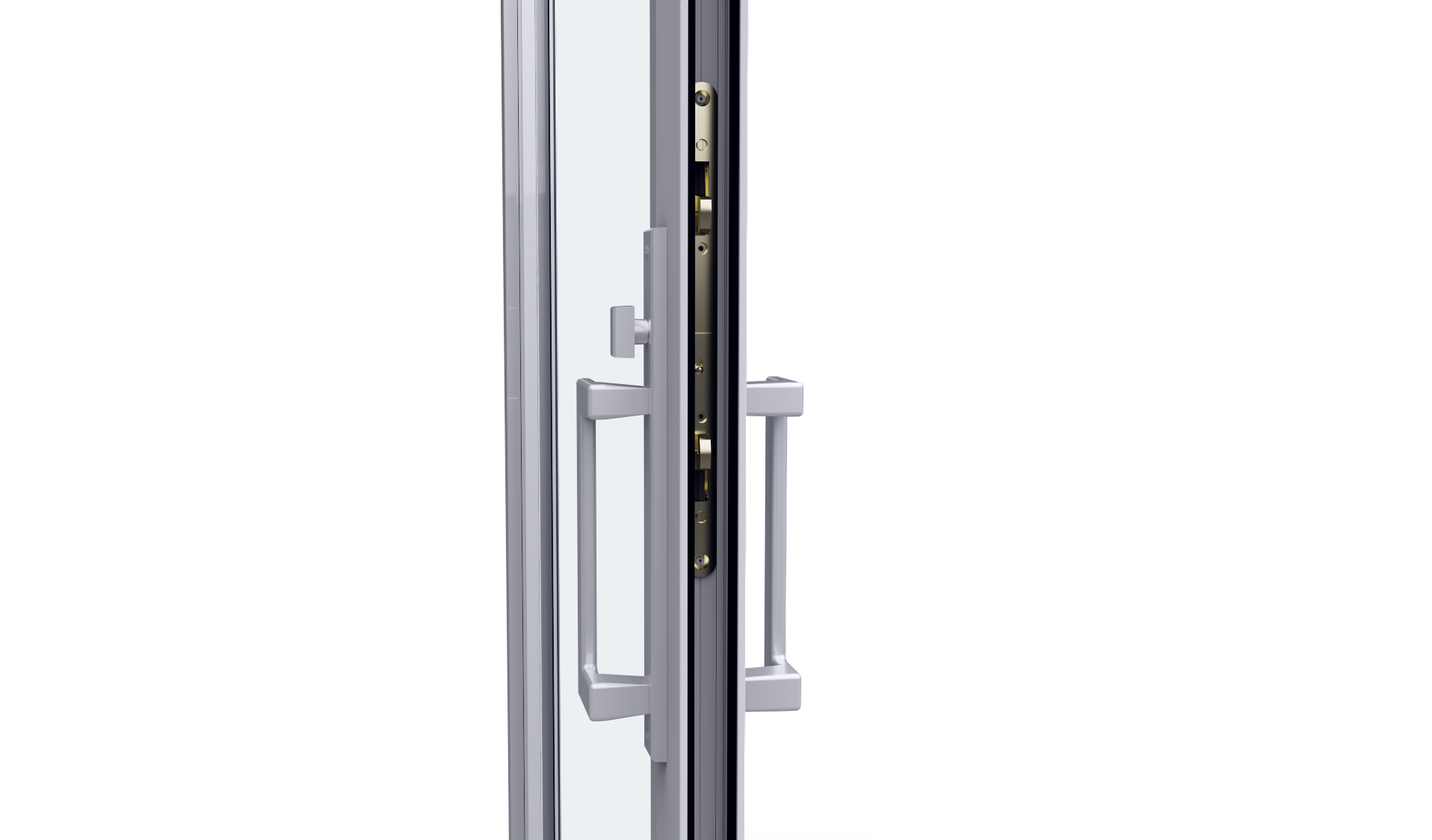
Among the largest hurricane-rated sliding doors manufactured in Florida. Engineered and built in Oakland Park.
Titan panels reach up to seventy-two inches wide or a full twelve feet tall — within a roughly sixty-one-square-foot single-panel limit, so a taller panel runs narrower and a wider panel runs shorter — and can be configured to stack or bypass cleanly along the wall.
When the last panel clears the jamb, the living room becomes the lanai. The kitchen opens to the pool deck. The line between outside and inside isn't just minimized. It's removed.
Most impact-rated sliders cap their certified sizes well below what custom architects actually want to draw. The Titan was engineered backwards — starting with the largest opening a residential home might need, then working to meet every High-Velocity Hurricane Zone requirement at that size.
The result is a door that doesn't force compromise between architectural ambition and building-code reality.
Every Titan door is built to the same tested engineering envelope — up to +80 / –130 PSF, with design pressure scaling by size per FL NOA 48120.1. XO, XXO, and OXXO are featured below; pocket and OXXXXO available on spec. Frame widths shown are at the full 144″ height; wider frames — panels up to 72″ — are available at reduced heights, within an approximately 61 sq. ft. per-panel area limit.
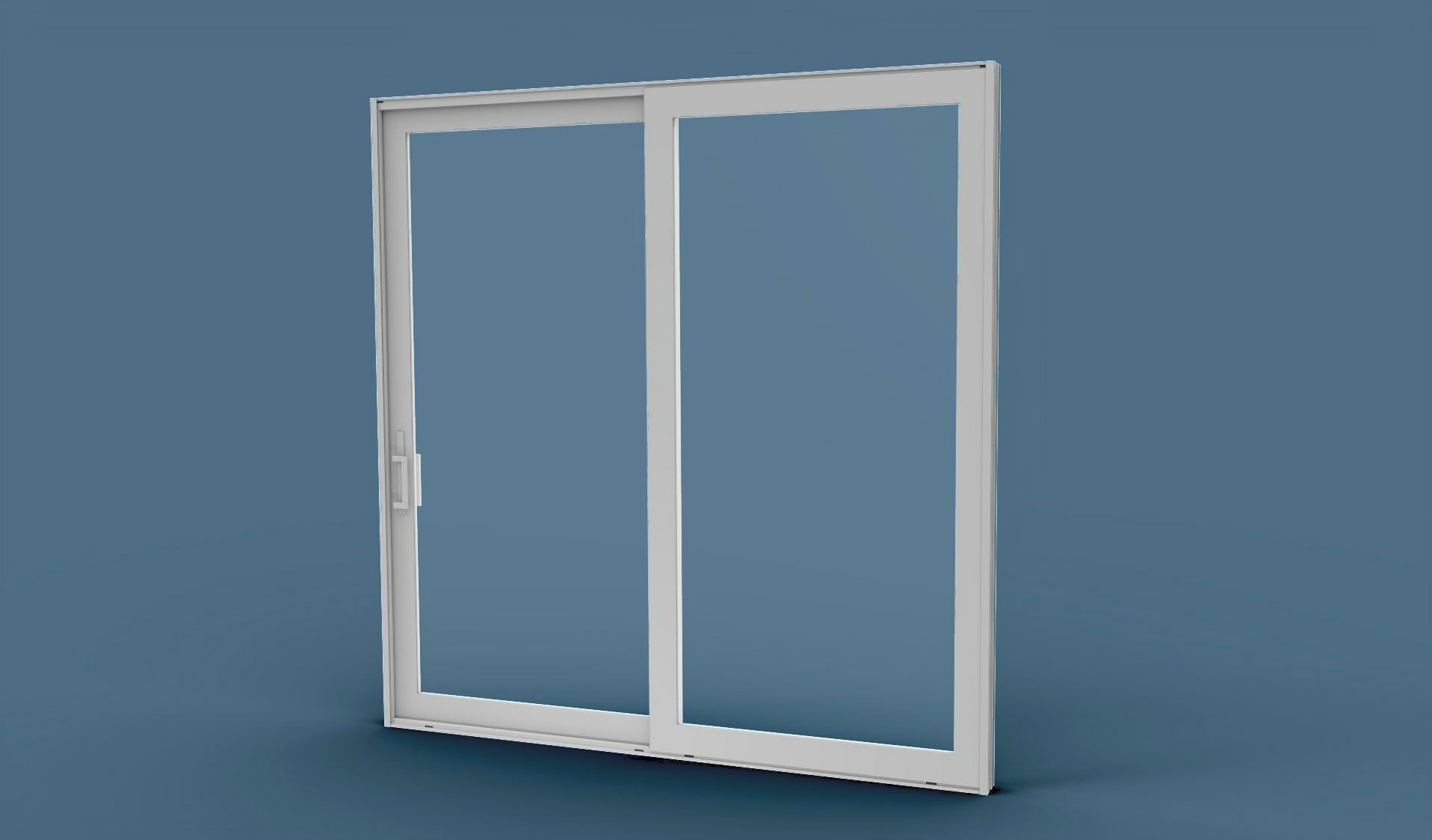
One active panel, one fixed. The classic Florida slider — re-engineered to oversized proportions while keeping the narrow sightlines that define the Titan line.
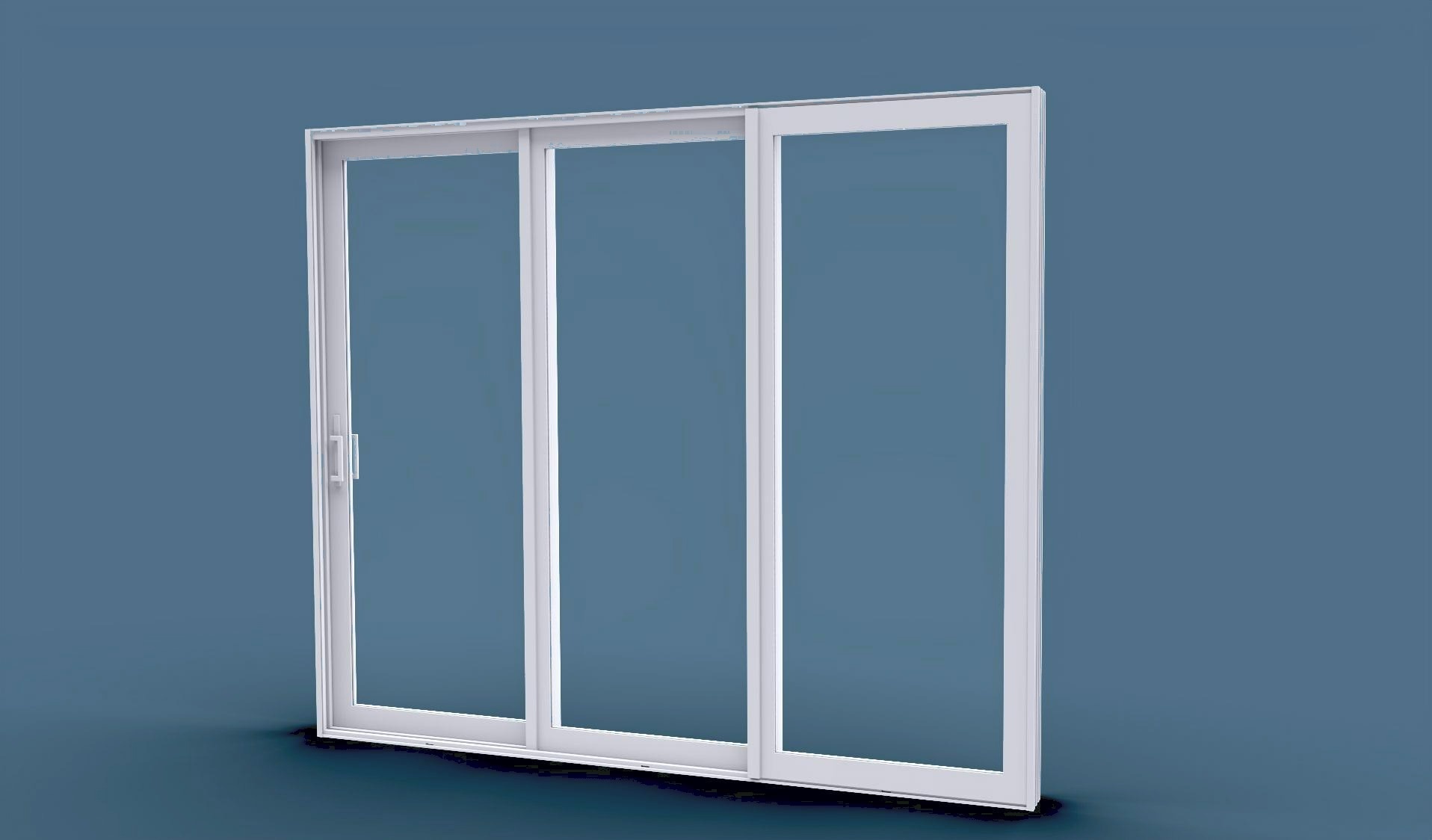
Two active panels, one fixed — ideal for openings that need more glass than a two-panel can deliver but don't require the full OXXO span. Screen-compatible on three-track frames.
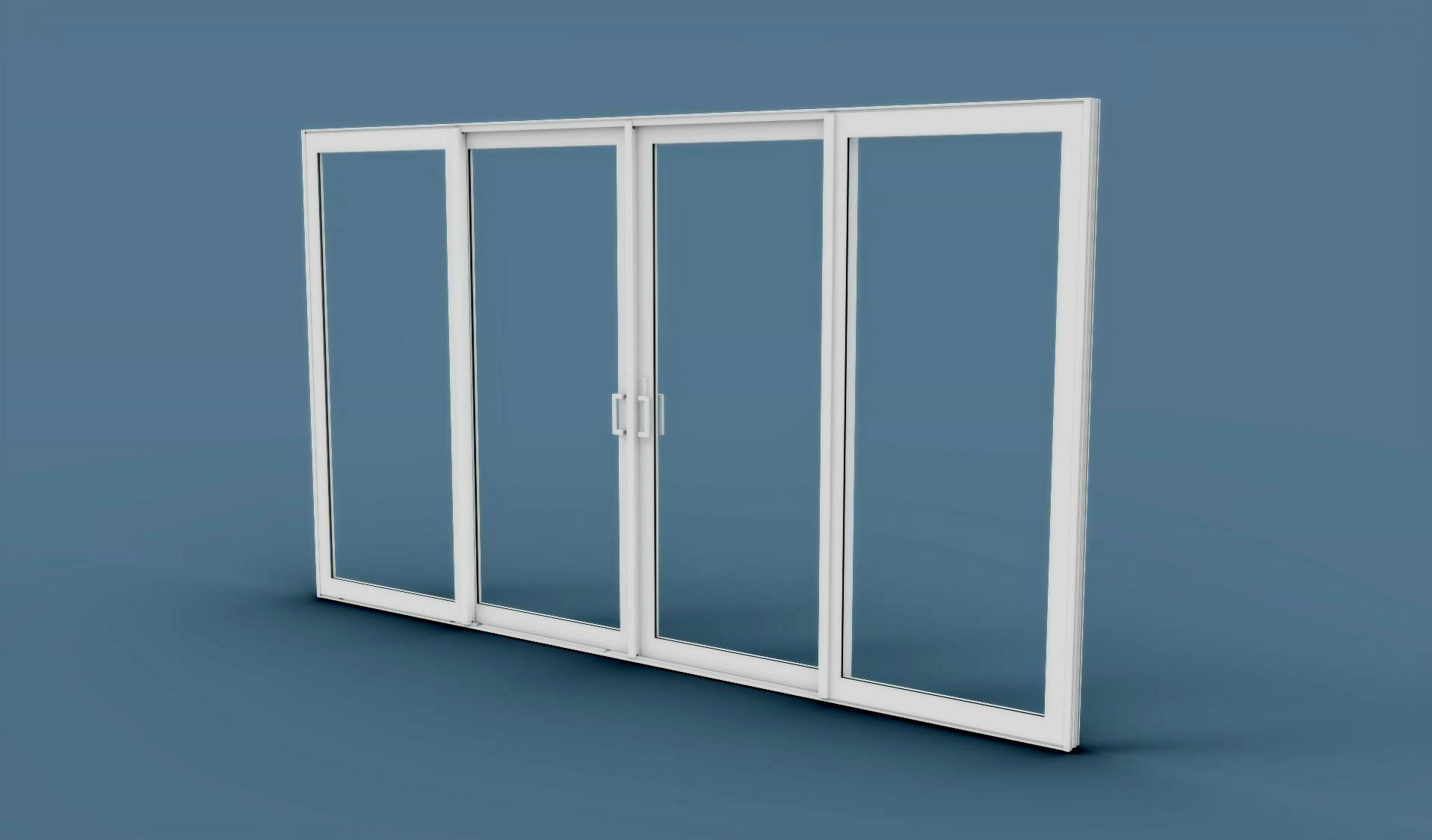
Two fixed panels flanking two operating panels that meet at the center of the opening. The most-specified Titan configuration — and the one that achieves the widest uninterrupted span without a pocket wall behind.
Start with the quoting rules — allowable sizes by glass type and reinforcement level, and when heavy interlocks, a heavy astragal or SGP are required. The technical guide adds the full load tables, anchor requirements and approval documentation.
Quoting Rules→ Technical Guide→